
Health & Fitness
Health Benefits and Culinary Uses of Pravi Celer

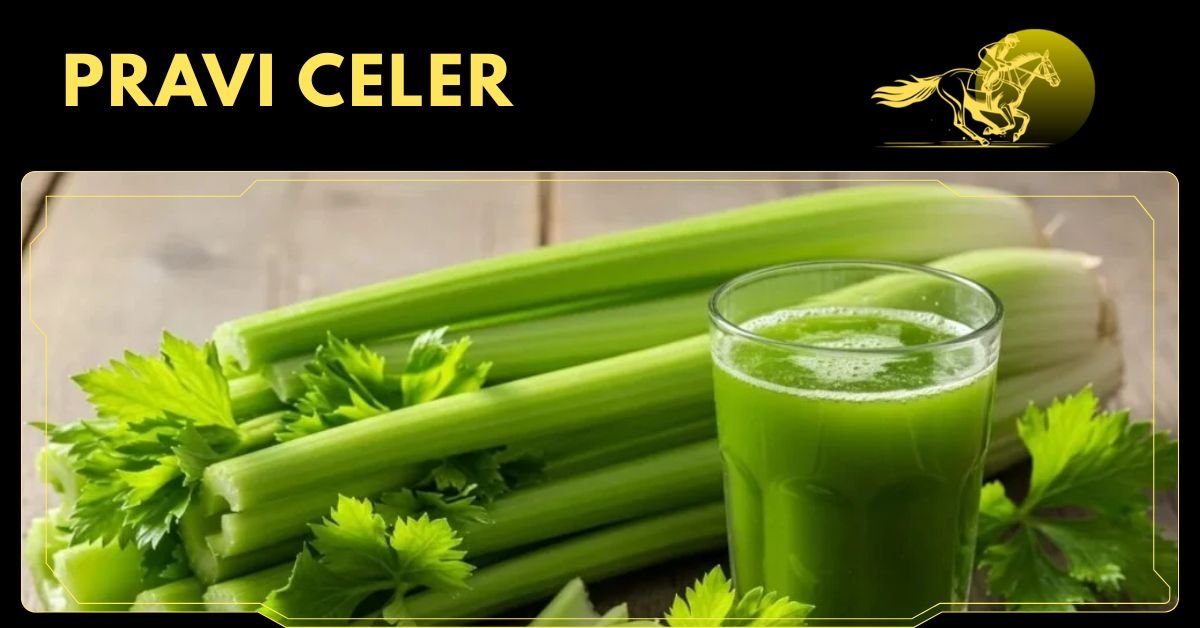
Walk through any farmers market in Europe and you might hear someone mention pravi celer with a sense of pride. The phrase simply means “true celery,” yet it carries much deeper meaning than a typical vegetable label. In traditional kitchens and modern wellness circles alike, this humble plant represents freshness, authenticity, and a return to natural foods. Unlike heavily processed or commercial varieties, pravi celer emphasizes the whole plant, from crunchy stalks to aromatic leaves and earthy root. It is valued not just for flavor but also for its impressive nutritional profile and long history in cooking and herbal traditions. Understanding what makes this celery special helps explain why it has quietly gained attention among health enthusiasts, chefs, and home gardeners who prefer ingredients that are simple, natural, and genuinely nourishing.
What Pravi Celer Actually Means
At its simplest, pravi celer refers to authentic or “true” celery, a term widely used in several Slavic languages where the word “pravi” translates to real or genuine. The phrase is often used to distinguish fresh, natural celery from processed forms or artificial flavor substitutes. It highlights the idea of using celery in its pure, unmodified form rather than relying on extracts, powders, or industrially altered ingredients.
The concept goes beyond language. In many households across Eastern and Central Europe, the term describes celery that is grown locally or in home gardens. Instead of selecting vegetables purely for appearance or uniform size, people appreciate the full plant, including stalks, leaves, and root. This traditional approach reflects a mindset where food is valued for its natural qualities rather than its supermarket presentation.
Another reason the phrase stands out is cultural symbolism. Calling celery “pravi” signals trust and authenticity in food. In an era where many ingredients are highly processed, the phrase reminds people of simple cooking traditions and honest ingredients. It represents a return to basics and a respect for vegetables that provide both nourishment and flavor without unnecessary modification.

Botanical Background and Plant Characteristics
Celery belongs to the Apiaceae family, the same plant family that includes parsley, carrots, and fennel. Its scientific name is Apium graveolens, and the plant can grow close to one meter tall under ideal conditions. It features long fibrous stalks, feathery leaves, and clusters of small white flowers arranged in umbrella-shaped groups called umbels.
What distinguishes pravi celer from the celery most people recognize in supermarkets is the emphasis on the entire plant. Traditional varieties often include:
- Stalk celery – the crisp green stems commonly eaten raw or cooked
- Leaf celery – aromatic leaves used as herbs or seasoning
- Celeriac (celery root) – a bulbous root vegetable with earthy flavor
In many modern grocery stores, only the stalks receive attention. However, traditional cooking practices value all parts of the plant. The leaves provide intense flavor for broths, while the root can be roasted, mashed, or added to soups.
This whole-plant philosophy reflects older agricultural traditions. Farmers historically grew vegetables that served multiple culinary purposes rather than single-use crops. As a result, pravi celer embodies both botanical diversity and culinary practicality.
Will You Check This Article: Bodenxt and the Future of Green Industry in Sweden
Nutritional Profile of Pravi Celer
One reason nutritionists appreciate pravi celer is its remarkable balance of nutrients and hydration. Despite being extremely low in calories, it delivers vitamins, minerals, fiber, and antioxidants that support overall health.
According to nutritional data, roughly 100 grams of celery contains about 16 calories, making it one of the lightest vegetables in terms of energy density. At the same time, it provides essential nutrients including vitamin K, vitamin C, potassium, folate, and magnesium.
The vegetable is also composed of nearly 95 percent water, which explains why it feels refreshing and hydrating when eaten raw.
The key nutritional elements include:
| Nutrient | Benefit |
| Vitamin K | Supports bone health and proper blood clotting |
| Vitamin C | Strengthens immunity and acts as an antioxidant |
| Potassium | Helps regulate blood pressure |
| Fiber | Supports digestion and gut health |
| Antioxidants | Protect cells from oxidative damage |
What makes pravi celer particularly valuable is its combination of hydration and micronutrients. Many vegetables offer vitamins but lack water content, while others hydrate but provide limited nutrients. Celery manages to deliver both in a single ingredient.
Key Health Benefits of Pravi Celer
Because of its nutrient density and bioactive compounds, pravi celer has long been associated with several health benefits. While it is not a miracle cure, regular consumption can contribute to overall wellness when combined with a balanced diet.
Supports Digestive Health
The natural fiber found in celery helps move food through the digestive system smoothly. This improves bowel regularity and supports beneficial gut bacteria. Fiber also slows digestion, allowing nutrients to be absorbed more effectively and reducing sudden spikes in blood sugar.
Traditional herbal practices have used celery leaves and seeds to relieve bloating or mild digestive discomfort. Modern research supports the idea that fiber-rich vegetables contribute to a healthier gut environment.
Helps Maintain Heart Health
Celery contains potassium and plant compounds called phthalides, which are believed to help relax blood vessels and support healthy circulation. These compounds may contribute to improved blood pressure regulation when consumed regularly as part of a healthy diet.
Potassium also plays a crucial role in balancing sodium levels in the body. Maintaining this balance helps reduce strain on the cardiovascular system and supports overall heart health.
Reduces Inflammation
Natural antioxidants such as apigenin and luteolin found in celery have anti inflammatory properties. These compounds help neutralize harmful molecules known as free radicals, which can damage cells and contribute to chronic inflammation.
Including antioxidant-rich foods like celery in daily meals may help support joint health, skin health, and general immune function over time.
Supports Weight Management
One of the most appealing aspects of pravi celer is how filling it feels despite its low calorie content. Because it contains both fiber and water, it promotes a feeling of fullness after eating.
People trying to maintain a healthy weight often include celery as a snack or salad ingredient. It satisfies hunger without adding excessive calories, making it a practical choice for long term dietary balance.
Culinary Uses of Pravi Celer
Few vegetables are as versatile in the kitchen as pravi celer. Its crisp texture, mild bitterness, and aromatic flavor allow it to work in both raw and cooked dishes.
In many traditional recipes, celery forms part of a foundational vegetable mix used to start soups and stews. When combined with onions and carrots, it creates a balanced base that enhances the flavor of countless dishes.
Common culinary uses include:
- Raw snacks with dips such as hummus or yogurt spreads
- Salads for crunch and freshness
- Soups and stews where celery provides aromatic depth
- Smoothies and juices in modern health drinks
- Roasted root dishes using celeriac as a hearty side
The root of celery deserves special attention. Known as celeriac, it has a slightly nutty, earthy taste and works beautifully in mashed dishes, creamy soups, or roasted vegetable platters.
Chefs often appreciate celery because it enhances flavors without overpowering them. It acts almost like a natural seasoning that blends well with herbs, meats, and grains.
Traditional and Cultural Importance
Across many European cultures, pravi celer is more than just a vegetable. It has been part of culinary traditions for centuries and carries symbolic meaning related to health, vitality, and natural living.
Historical records show that ancient civilizations such as the Greeks and Romans used celery not only as food but also for ceremonial and medicinal purposes. Celery leaves were even woven into crowns for athletes and honored warriors in ancient Greece.
In Slavic households, celery often appears in family recipes passed down through generations. It is used in broths, vegetable mixes, and fresh salads that are prepared during holidays and everyday meals alike.
Beyond cooking, the vegetable symbolizes resourcefulness. Traditional households used every part of the plant, ensuring that nothing went to waste. This sustainable approach to cooking aligns with modern values of mindful consumption and environmentally responsible food choices.
Growing Pravi Celer at Home
Another reason pravi celer continues to attract attention is its suitability for home gardening. Growing celery in a garden allows people to enjoy fresher vegetables while reconnecting with traditional food practices.
Celery thrives in moist soil and moderate temperatures. It requires consistent watering because the plant naturally grows in marshy environments. Gardeners typically start celery from seedlings and allow it to mature slowly over several months.
The benefits of growing it at home include:
- Fresh, chemical free produce
- Full use of leaves, stalks, and root
- Stronger flavor compared to commercial varieties
- Greater appreciation for seasonal ingredients
Home gardeners often report that freshly harvested celery tastes more aromatic and flavorful than store bought versions. The difference highlights why many people prefer authentic vegetables grown with care rather than mass produced crops.
Why Pravi Celer Is Becoming Popular Again
Interest in pravi celer has increased in recent years, partly due to the broader movement toward natural and whole foods. Consumers today are more aware of ingredient quality, food processing, and the environmental impact of agriculture.
Several trends have contributed to this renewed attention:
- Growing interest in clean eating and minimally processed foods
- Increased popularity of plant based diets
- Social media discussions around celery juice and detox drinks
- Rising appreciation for traditional cooking methods
The vegetable also appeals to people looking for simple ingredients that deliver both nutrition and flavor. Instead of relying on expensive superfoods, many are rediscovering humble vegetables like celery that have quietly supported healthy diets for centuries.
Conclusion
Understanding pravi celer reveals how a simple vegetable can represent far more than nutrition alone. It reflects authenticity, tradition, and a respect for natural ingredients that nourish the body without unnecessary processing. From its impressive nutrient profile to its versatility in the kitchen, celery in its true form continues to play an important role in both traditional and modern diets.
Whether added to soups, eaten raw as a snack, or grown in a home garden, pravi celer offers a reminder that healthy eating does not require complicated ingredients. Sometimes the most valuable foods are the ones that have quietly been part of everyday cooking for generations.
FAQs
What does pravi celer mean?
Pravi celer means “true celery,” referring to natural, authentic celery used in its whole and unprocessed form.
Is pravi celer different from regular celery?
The plant is the same, but the term emphasizes fresh, natural celery rather than processed or commercial varieties.
Is pravi celer healthy?
Yes. It is low in calories, high in water, and rich in vitamins, fiber, and antioxidants.
How can you eat pravi celer?
It can be eaten raw, added to salads, cooked in soups and stews, juiced, or roasted in its root form.
Can you grow pravi celer at home?
Yes. Celery grows well in moist soil with consistent watering and moderate temperatures.
Read More: Rideables

The Hidden Potential of nebs6ak in Digital Growth Era

Rblwal Explained: Meaning, Uses, and Future Potential

Nsfemonster Review: Ultimate Benefits and Risks

Why Mysdpbc Matters: Essential and Impactful Guide

Xaicotum Explained: Ultimate Guide to Safe Use

Health Benefits and Culinary Uses of Pravi Celer

Bodenxt and the Future of Green Industry in Sweden

Sosoactive and Its Role in Hip Hop Media

The Story of Dallas Yocum and Her Brief Public Life

The Quiet Story Behind Brandy Quaid
Sosoactive and Its Role in Hip Hop Media

The Private Life and Story of Antonimar Mello
The Quiet Story Behind Brandy Quaid

SEO by Highsoftware99.com: Modern Strategy for Rankings
The Story of Dallas Yocum and Her Brief Public Life

Bardid: Exploring the Emerging Digital Platform

Technomantu: Smart Social Media Growth Tool Explained
Bodenxt and the Future of Green Industry in Sweden

Delta Flight DL275 Diverted LAX: Full Story Behind the Incident

Tsunaihaiya Meaning, Origins, and Cultural Influence
-
 Tech1 week ago
Nsfemonster Review: Ultimate Benefits and Risks
-
 Fashion & Lifestyle1 week ago
Xaicotum Explained: Ultimate Guide to Safe Use
-
 Tech1 week ago
Why Mysdpbc Matters: Essential and Impactful Guide
-
 Tech1 week ago
Rblwal Explained: Meaning, Uses, and Future Potential
-
 Other1 week ago
The Hidden Potential of nebs6ak in Digital Growth Era