
Celebrity
Burt Thicke: The Internet’s Most Mysterious Celebrity Myth

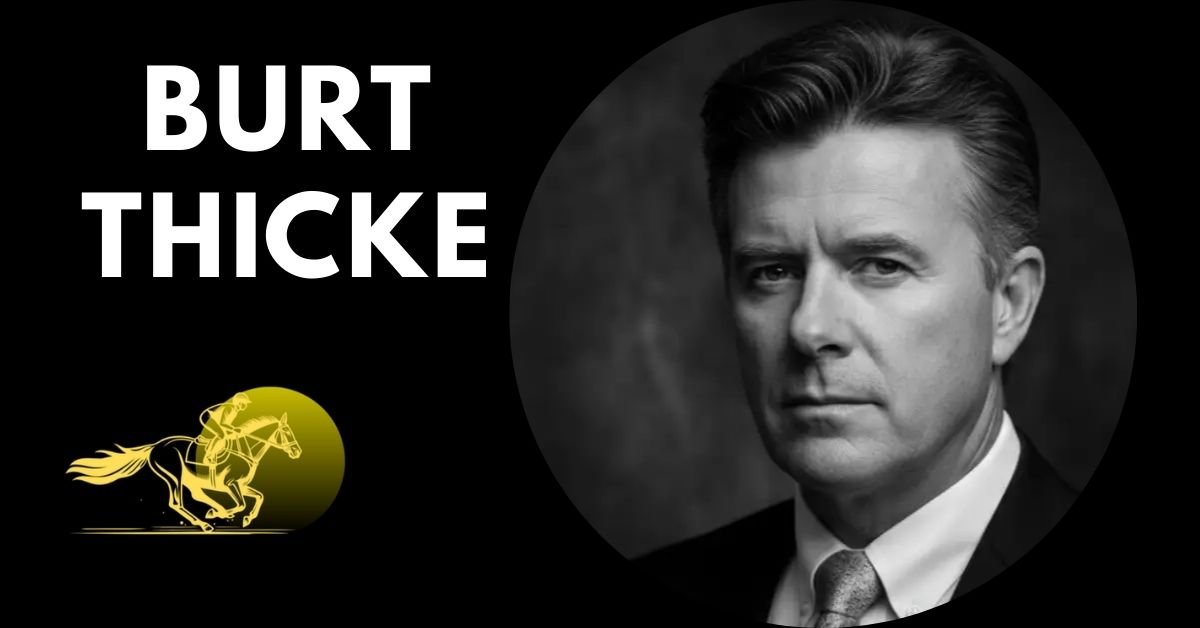
When people hear the name Burt Thicke, many assume he must be a forgotten Hollywood actor, a retro talk‑show host, or perhaps a singer from the golden age of television. The name simply sounds real. It carries the rhythm and familiarity of classic entertainment figures from the 1970s or 1980s. Yet the truth behind Burt Thicke is far more fascinating than a typical celebrity biography. Instead of being a real star with movies and albums, he represents a unique digital phenomenon born from internet humor, meme culture, and collective storytelling. Over the years, social media users created fake posters, fictional biographies, and imaginary interviews, turning this mysterious persona into a believable celebrity myth. The story of Burt Thicke reveals how modern internet culture can blur the line between fiction and reality in surprisingly convincing ways.
The Origins of the Burt Thicke Phenomenon
The strange story of Burt Thicke begins not in Hollywood but on the internet. Around the late 2010s, users on platforms like Reddit, Twitter (now X), and Tumblr began sharing memes referencing a supposed celebrity with this name. The joke worked instantly because the name sounded so believable. It blended familiar elements from entertainment history and triggered a sense of nostalgia in readers. People could easily imagine Burt Thicke appearing in an old sitcom, hosting a late‑night show, or starring in an action movie from the VHS era.
As the meme spread, users began contributing their own fictional details. Some created vintage‑looking posters of films that never existed, while others wrote humorous biographies describing the supposed career of this “forgotten” entertainer. Soon, Burt Thicke had imaginary roles in movies, fake award nominations, and fabricated television interviews circulating online. The internet collectively built a character that felt authentic, even though no such person had ever lived.
What makes this phenomenon fascinating is how the myth developed organically. There was no single creator controlling the narrative. Instead, thousands of internet users contributed jokes, images, and stories, shaping a shared fictional history. Over time, the character became so convincing that some people genuinely believed Burt Thicke had been a real celebrity whose work had simply faded from public memory.
This collaborative storytelling demonstrates a powerful aspect of internet culture: when enough people repeat a narrative, it can begin to feel real. In the case of Burt Thicke, a simple meme evolved into a global digital legend that continues to spark curiosity among new audiences today.
Will You Check This Article: Yalla Choy: Meaning, Culture, and Rising Global Trend
Why the Name Burt Thicke Sounds So Real
One of the biggest reasons the legend gained traction is the surprisingly believable nature of the name itself. The name “Burt” was common among classic entertainment figures in the mid‑20th century, while “Thicke” resembles surnames associated with real media personalities. Together, they create a name that feels like it belongs to an established television star.
Psychologically, this familiarity plays an important role. When people encounter information that resembles something they already know, their brain fills in missing details automatically. That cognitive shortcut makes it easier to believe that Burt Thicke must have existed somewhere in entertainment history. The mind searches for connections and memories that match the name, even if none truly exist.
Another factor contributing to the myth is nostalgia. Many of the fake posters and images associated with the persona mimic the visual style of 1970s and 1980s television promotions. The grainy photographs, bold fonts, and retro clothing all evoke memories of a bygone era of entertainment. For viewers who grew up watching classic TV, the images trigger emotional familiarity.
This emotional response is powerful. When nostalgia combines with a believable name and convincing visuals, the result can be surprisingly persuasive. People begin to question their own memory, wondering if they might have forgotten a celebrity who once appeared in movies or sitcoms decades ago.
In many ways, the name itself became the foundation of the entire myth. Without that natural authenticity, the legend might never have gained the traction it eventually achieved online.
How Social Media Turned a Joke Into a Viral Legend
Social media played a critical role in transforming Burt Thicke from a simple joke into a viral phenomenon. Platforms like Reddit, TikTok, Instagram, and Twitter reward content that sparks curiosity and engagement. The mysterious nature of the character made it perfect for these algorithm‑driven platforms.
Posts asking questions like “Remember Burt Thicke?” or “Why did Hollywood forget this legend?” quickly attracted attention. Even users who had never heard of the name before became curious. They searched for more information, shared the posts, and added their own comments or jokes. Each interaction helped push the content further into social media feeds.
The viral nature of the story encouraged creativity. Users began producing increasingly elaborate content about the character. Some edited old photographs to create fake promotional stills, while others used artificial intelligence tools to generate convincing images of a retro celebrity who looked like he belonged on television decades ago.
This collaborative creativity turned the myth into a kind of digital folklore. Instead of a traditional celebrity with documented achievements, Burt Thicke became a character shaped entirely by internet imagination. The narrative evolved as different communities added new layers to the story.
The viral spread also demonstrates how algorithms amplify curiosity. Content that raises questions tends to perform better than straightforward information. Because the story of Burt Thicke is inherently mysterious, it naturally encourages discussion, speculation, and humor.
The Role of AI and Digital Media in the Myth
As technology advanced, artificial intelligence tools began playing an unexpected role in expanding the Burt Thicke legend. Image generators and deepfake software allowed creators to produce realistic photographs and video clips featuring a fictional celebrity. These visuals made the myth even more convincing.
For example, some creators produced short videos styled as vintage interviews or documentary footage. The clips often included commentary describing Burt Thicke as a forgotten star of classic television or music. Because the visuals looked authentic, viewers sometimes believed they were watching genuine archival material.
This technological layer added a fascinating dimension to the story. In earlier decades, creating convincing fake media would have required expensive production resources. Today, however, digital tools allow anyone with basic editing skills to generate professional‑looking content.
The result is a new form of storytelling where fiction and reality blend seamlessly. A character like Burt Thicke can exist entirely within digital media yet still appear authentic to audiences encountering the content for the first time.
At the same time, this phenomenon raises important questions about media literacy. When fictional characters can be presented so convincingly, it becomes increasingly difficult for viewers to distinguish between real historical figures and digital creations.
The Mandela Effect and False Memories
One of the most fascinating aspects of the Burt Thicke phenomenon is how it relates to the psychological concept known as the Mandela Effect. This phenomenon occurs when large groups of people share a false memory about an event or figure that never actually existed.
In online discussions about Burt Thicke, many users claim they vaguely remember seeing him on television or in movies years ago. They might recall a sitcom appearance or a talk‑show interview that never truly happened. These memories often feel surprisingly vivid, even though they are entirely fictional.
Psychologists suggest that these false memories arise because the brain constantly reconstructs information based on context and familiarity. When people encounter convincing visuals and believable narratives, their minds can create a sense of memory where none previously existed.
The Mandela Effect surrounding Burt Thicke illustrates how easily collective memory can be influenced by repeated exposure to fictional content. When enough people share the same story online, it begins to feel like a piece of cultural history rather than a joke.
This phenomenon highlights an important reality of the digital age: the internet has the power not only to share information but also to reshape how people remember the past.
What Burt Thicke Reveals About Internet Culture
Beyond the humor and curiosity, the story of Burt Thicke offers insight into how modern internet culture operates. The character represents a form of collaborative creativity where thousands of individuals contribute to a shared narrative.
Unlike traditional storytelling, which usually has a clear author or creator, internet myths evolve through collective participation. Each person who shares a meme, edits a photo, or invents a new backstory becomes part of the storytelling process.
This type of cultural creation reflects the interactive nature of the internet. Online communities thrive on inside jokes and shared references. When people participate in the Burt Thicke meme, they become part of a larger community that understands the humor behind the fictional celebrity.
The phenomenon also demonstrates how humor and nostalgia combine to create viral content. Many of the memes reference the aesthetics of older television and film, tapping into a sense of retro charm that resonates with audiences across generations.
Ultimately, the legend shows that the internet is capable of creating its own folklore—stories and characters that exist entirely within digital culture yet feel as meaningful as traditional myths.
The Cultural Impact of the Burt Thicke Myth
Although Burt Thicke is a fictional character, his influence on digital culture is surprisingly real. The myth has inspired countless memes, parody videos, and fan‑created stories across multiple social media platforms. In many ways, the character has become a symbol of internet creativity.
The phenomenon also highlights the evolving nature of celebrity in the digital age. Traditionally, fame required appearances in films, television shows, or music recordings. Today, however, a fictional character can achieve widespread recognition simply through online storytelling.
Another interesting aspect of the myth is how it encourages critical thinking about media. As people encounter the story, they often investigate whether the character is real. This process of questioning and researching information can promote greater awareness of how easily misinformation can spread online.
At the same time, the myth remains largely harmless and humorous. Unlike many forms of misinformation, the story is usually presented as a playful joke rather than a serious claim. Participants understand that the humor comes from pretending that a fictional celebrity once existed.
This balance between fiction and humor allows the legend to continue evolving without causing significant confusion or harm.
Conclusion
The story of Burt Thicke demonstrates the remarkable power of the internet to create cultural legends from almost nothing. What began as a simple meme gradually transformed into a complex narrative filled with fake movies, imaginary interviews, and nostalgic imagery. Through collective creativity, thousands of online users built a fictional celebrity whose story feels strangely believable.
This phenomenon reflects the broader nature of digital culture, where humor, nostalgia, and technology intersect to create entirely new forms of storytelling. In a world where artificial intelligence and social media continue to evolve, characters like Burt Thicke may become increasingly common.
More importantly, the legend serves as a reminder that information online should always be approached with curiosity and critical thinking. Just because something looks authentic does not necessarily mean it represents reality.
Yet perhaps that is part of the charm. The mystery surrounding Burt Thicke continues to entertain audiences and inspire creativity across the internet. Even though he never existed, his story reveals something very real about how people connect, collaborate, and tell stories in the digital age.
FAQs
Is Burt Thicke a real person?
No, Burt Thicke is generally considered a fictional internet character created through memes and online storytelling rather than a real celebrity.
Where did the Burt Thicke meme originate?
The meme began circulating on social media platforms such as Reddit and Twitter, where users shared jokes about a supposed forgotten celebrity.
Why do people believe Burt Thicke existed?
The name sounds authentic, and many memes use convincing retro images that resemble real entertainment promotions.
What is the connection between Burt Thicke and the Mandela Effect?
Some people believe they remember seeing him in movies or TV shows that never existed, which is an example of shared false memory.
Why is the story of Burt Thicke popular online?
The combination of humor, nostalgia, and collaborative creativity makes the legend entertaining and easy to share across social media platforms.
Read More: Rideables

The Hidden Potential of nebs6ak in Digital Growth Era

Rblwal Explained: Meaning, Uses, and Future Potential

Nsfemonster Review: Ultimate Benefits and Risks

Why Mysdpbc Matters: Essential and Impactful Guide

Xaicotum Explained: Ultimate Guide to Safe Use

Health Benefits and Culinary Uses of Pravi Celer

Bodenxt and the Future of Green Industry in Sweden

Sosoactive and Its Role in Hip Hop Media

The Story of Dallas Yocum and Her Brief Public Life
