
Other
Understanding Viltnemnda and Its Role

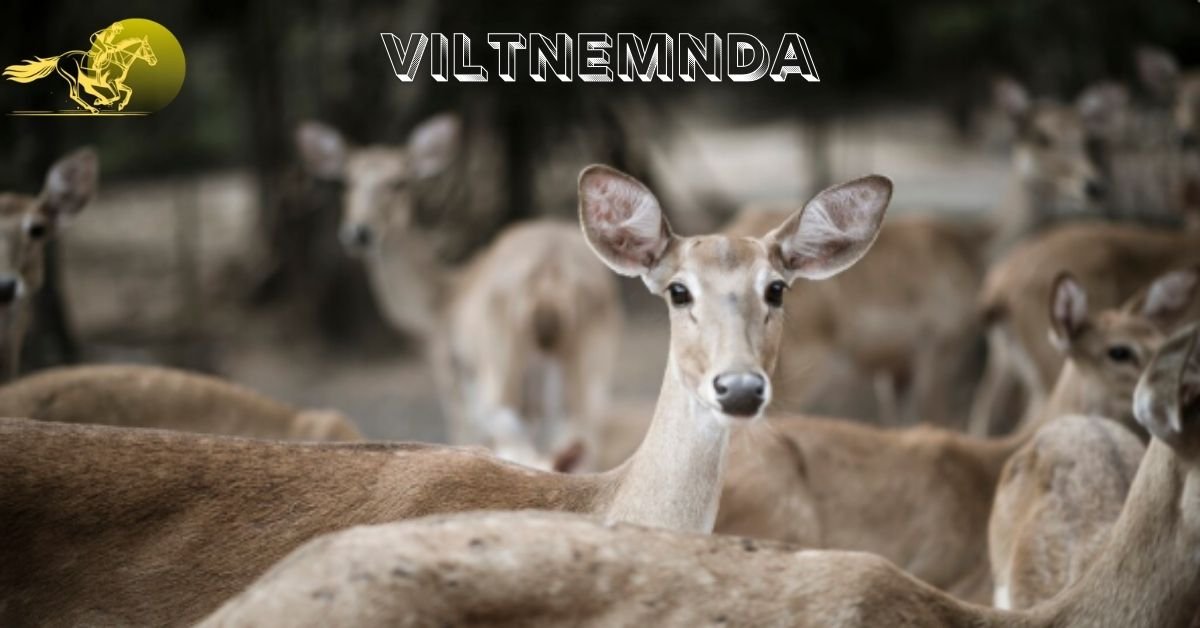
Wildlife management often happens quietly behind the scenes, guided by local committees and regulations that most people rarely think about. One such body is viltnemnda, a term that may seem unfamiliar but plays an important role in wildlife governance in Norway. It connects local communities, government regulations, and environmental responsibility in practical ways.
Many rural areas depend on balanced wildlife populations for ecological health, agriculture, and hunting traditions. Committees responsible for these decisions help ensure that nature remains sustainable while also supporting local livelihoods. Their work often involves difficult decisions about wildlife populations and land management.
When people begin exploring how wildlife decisions are made at the municipal level, they quickly discover the influence of viltnemnda. This committee provides a structured way for communities to participate in wildlife policy while still following national guidelines.
What Viltnemnda Means
The word viltnemnda comes from Norwegian administrative language and refers to a local wildlife committee within a municipality. Its primary purpose is to oversee wildlife management decisions at the local level. These committees operate under national environmental laws but focus on regional needs.
In simple terms, it acts as a bridge between government wildlife regulations and the realities faced by communities living near forests, farmland, and natural habitats. Members usually include local representatives who understand the region’s environmental conditions.
Because wildlife management requires local knowledge, this committee allows municipalities to handle many practical decisions. Their work helps maintain balance between wildlife populations, agriculture, and environmental protection.
How Local Wildlife Governance Works
Municipal wildlife governance depends on cooperation between national authorities and local decision makers. The viltnemnda functions within this system by focusing on wildlife issues that directly affect the municipality. These might include population monitoring, hunting quotas, and habitat considerations.
National laws set the overall framework, but local committees interpret how those rules apply to specific regions. For example, a rural municipality with large moose populations may require different policies than a coastal area with different wildlife patterns.
Through regular meetings and consultation with experts, the committee evaluates wildlife trends and makes recommendations. This structure helps ensure that decisions reflect both scientific understanding and local experience.
Will You Check This Article: Bardid: Exploring the Emerging Digital Platform
Responsibilities of the Committee
The responsibilities handled by viltnemnda are broader than many people realize. The committee often plays a central role in shaping how wildlife populations are controlled and maintained. Their work affects both ecosystems and local communities.
Common responsibilities include reviewing wildlife population reports and determining appropriate hunting quotas. They also evaluate land use issues that may affect habitats or migration patterns.
Some key responsibilities may include:
- Monitoring local wildlife populations
- Recommending hunting quotas
- Advising on wildlife damage issues
- Supporting habitat protection measures
These tasks require careful planning and collaboration with environmental authorities.
Why Wildlife Committees Are Necessary
Wildlife populations can change quickly due to climate, habitat shifts, or human activity. Local oversight through bodies like viltnemnda helps communities respond effectively to these changes. Without such committees, decisions would rely entirely on national agencies that may not understand regional conditions.
Local committees can gather information from farmers, hunters, conservation groups, and residents. This makes it easier to identify problems early and respond with appropriate management strategies.
Their role also encourages public involvement. People who live close to wildlife habitats often have valuable insights that contribute to better decision making.
The Role in Hunting Regulation
Hunting regulations are one of the most visible areas influenced by viltnemnda. Many municipalities depend on sustainable hunting practices to control animal populations while supporting traditional outdoor activities.
The committee reviews population data and determines whether hunting quotas should increase, decrease, or remain stable. These decisions aim to keep wildlife numbers within healthy limits.
Hunters, landowners, and environmental experts often contribute to these discussions. This cooperative process helps ensure that regulations remain fair and environmentally responsible.
Decision Making Process
The decision making process within viltnemnda usually follows a structured format. Meetings are held periodically where members review wildlife reports, discuss current issues, and vote on recommendations.
Information from environmental agencies and scientific studies often guides discussions. Local observations also play an important role in shaping final decisions.
Once decisions are made, they may be passed to municipal authorities or implemented within the committee’s jurisdiction. This structured process helps maintain transparency and accountability.
Who Serves on the Committee
Members of viltnemnda are typically appointed by the municipal council. They are often individuals with knowledge of local land use, wildlife, or environmental issues. This ensures that decisions reflect the community’s experience and needs.
Some members may have backgrounds in farming, forestry, hunting, or environmental science. Others represent political or community interests within the municipality.
The mix of perspectives encourages balanced decision making. It also helps the committee address complex issues that involve both economic and environmental concerns.
Challenges Faced by Wildlife Committees
Managing wildlife is rarely simple, and viltnemnda often deals with complicated challenges. Changes in climate, land development, and population growth can all affect local ecosystems.
Another challenge involves balancing the needs of different groups. Farmers may worry about crop damage from animals, while conservationists focus on protecting species and habitats.
Committees must also rely on accurate data to make informed decisions. When information is limited or wildlife patterns change suddenly, planning becomes more difficult.
Impact on Local Communities
The work of viltnemnda has direct effects on everyday life in many municipalities. Farmers, hunters, and outdoor enthusiasts all depend on balanced wildlife populations.
Effective management can reduce crop damage, maintain healthy ecosystems, and support sustainable hunting traditions. Poor management, however, may lead to population imbalances or environmental stress.
Because the committee operates locally, its decisions often reflect the practical needs of the community. This local focus helps build trust between authorities and residents.
Collaboration with Environmental Authorities
While local committees handle many decisions, viltnemnda does not operate independently from national environmental systems. Cooperation with regional and national authorities remains essential.
Government agencies often provide research, guidelines, and legal frameworks that guide wildlife management policies. These resources help ensure that local decisions align with broader conservation goals.
The relationship between local committees and national authorities allows wildlife management to remain flexible. Local insight combines with scientific expertise to produce more effective outcomes.
Public Participation and Transparency
Public involvement is another important element connected to viltnemnda. Many municipalities encourage residents to share concerns about wildlife issues or environmental changes.
Open discussions and community meetings can help build awareness about wildlife management. This transparency also allows people to better understand how decisions are made.
When communities feel involved in the process, policies are more likely to gain support. Public engagement strengthens the long-term success of wildlife management efforts.
Future of Local Wildlife Governance
The future of wildlife governance will likely continue evolving as environmental conditions change. Committees like viltnemnda may need to adapt their strategies to address climate shifts, urban expansion, and biodiversity concerns.
Technology and improved data collection may also influence how wildlife populations are monitored. Digital mapping, tracking systems, and research tools could help committees make more informed decisions.
Despite these changes, the need for local knowledge will remain essential. Community-based committees will continue playing a vital role in responsible wildlife management.
Conclusion
Wildlife management requires a careful balance between environmental protection, community needs, and sustainable resource use. Local committees provide an effective way to manage these responsibilities while keeping decision making close to the communities most affected.
The structure and responsibilities of viltnemnda demonstrate how local governance can support both ecological health and practical land use. By combining community insight with national guidelines, this committee helps maintain responsible wildlife policies.
As environmental challenges grow more complex, the importance of informed local oversight will only increase. Understanding the work of viltnemnda offers valuable insight into how communities manage wildlife while protecting the natural environment for future generations.
Read More: Rideables

The Hidden Potential of nebs6ak in Digital Growth Era

Rblwal Explained: Meaning, Uses, and Future Potential

Nsfemonster Review: Ultimate Benefits and Risks

Why Mysdpbc Matters: Essential and Impactful Guide

Xaicotum Explained: Ultimate Guide to Safe Use

Health Benefits and Culinary Uses of Pravi Celer

Bodenxt and the Future of Green Industry in Sweden

Sosoactive and Its Role in Hip Hop Media

The Story of Dallas Yocum and Her Brief Public Life
